Recently added item(s)
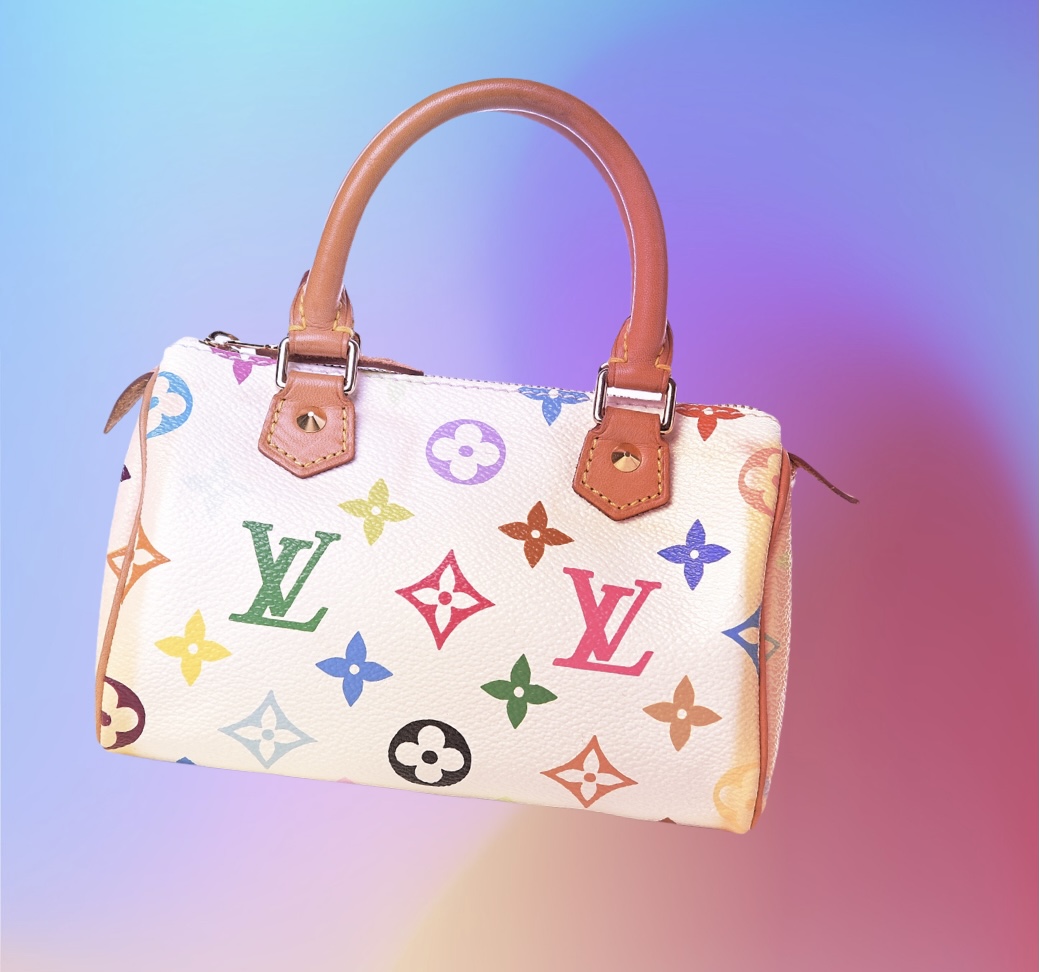
Two bags can share a model name and still be poor price comparisons. One may have a strap, a clean lining and original handles; the other may need work. A useful comparison starts with those differences.
Build a like-for-like shortlist
Search for the same model, size and material. Separate collaboration versions from standard ones. Record condition, included accessories, location and delivery charges. Leave out listings that do not show enough detail to understand the item.
Use sold information where available
An asking price is what a seller hopes to receive. eBay’s Product Research provides sales information, including actual accepted-offer prices. Read its current access instructions rather than assuming every search screen shows the same data.
Compare the total, not just the headline
Use a small table with columns for bag price, delivery, other confirmed charges and known repair needs. If a repair has not been assessed, write “unknown” rather than inventing a cheap estimate. Currency differences can make a bargain look better than it is.
Use a range
Several reasonably comparable sales are more useful than one unusually high result. Keep the dates with the examples and explain any condition differences. This is a shopping comparison, not a guarantee of resale value. If buying for personal use, ask whether the bag is worth that total cost to live with today.
For more practical buying and resale guides, visit Hotnglam’s Fashion & Beauty articles.
Sources: eBay Product Research guidance