Recently added item(s)
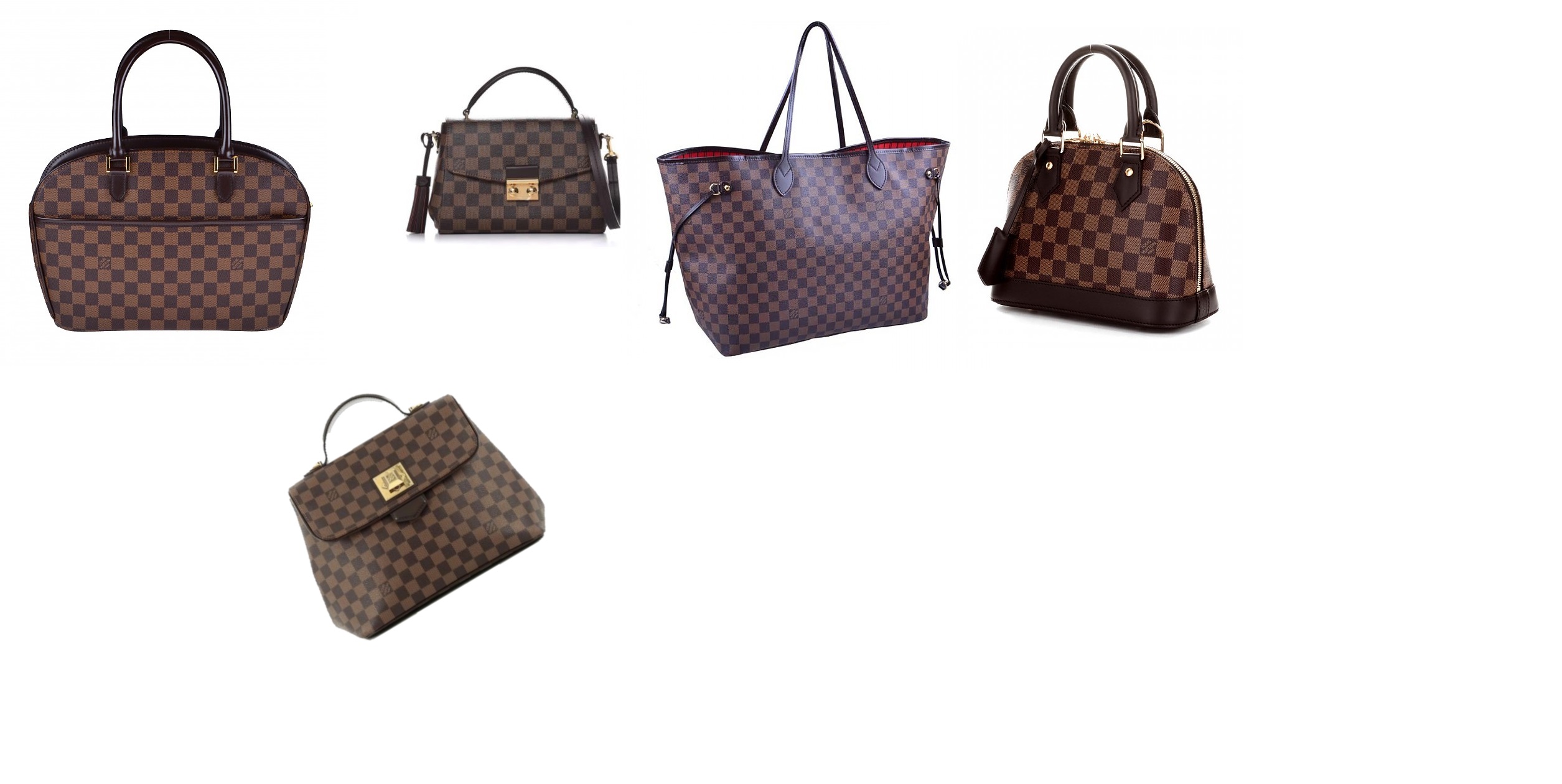
“Excellent,” “very good” and “grade B” can sound precise without answering the questions that matter. A condition label is a starting point. The seller’s detailed description and pictures need to do the rest.
Turn labels into questions
Ask what the grade means for that seller. Does it allow stains, odour, darkened handles, corner wear or repairs? One shop’s grading system may differ from another’s. Avoid comparing labels as if they were universal measurements.
Separate appearance from function
A cosmetic mark is different from a zipper that catches or an attachment that is damaged. Ask whether closures work normally and whether any lining is sticky or peeling. If damage might affect use, ask for an assessment rather than accepting “normal vintage wear” as the whole explanation.
Read the repairs carefully
Ask about recolouring, replaced parts, added holes and cleaning treatments. Ask for any available repair documentation. An improvement in appearance does not automatically mean an item is original, structurally sound or worth more.
Save the evidence
Keep the listing, condition description, messages and accessory list before paying. A useful final question is: “Is there any wear, alteration or odour that is not visible in the photos?” If the answer is vague, request clarification. Choose the bag based on the condition that is explained, not the adjective that sounds nicest.
For more practical buying and resale guides, visit Hotnglam’s Fashion & Beauty articles.